
February showed mixed signs with stock markets in a wait-and-see mode. Even though the macro picture is facing headwind such as deteriorating growth, some of the leading indicators in the US and Europe show surprisingly resilience. An Economic Outlook published by Clarus Capital Group AG.
DOWNLOAD THE FULL REPORT (PDF)
Note: This report is published by Clarus Capital Group AG

Roger Ganz
Head Asset Management, Clarus Capital Group AG
Dejan Ristic
Partner, Clarus Capital Group AG
February showed mixed signs with stock markets in a wait-and-see mode. Even though the macro picture is facing headwind such as deteriorating growth, some of the leading indicators in the US and Europe show surprisingly resilience. Unfortunately, markets already factored in a growth rate of ten percent. Therefore, the risks are clearly on the down-side. So, why did the equity markets well this month?
There was no game changer: the end of the US government shutdown had only limited macroeconomic impact. European political risk continues to focus on the Brexit process where a dead-line extension is likely. We would even not be surprised if the UK leaders are working towards a second referendum. US tariffs have not impacted the overall volume of trade so far and Trump’s announcement this week about a possible trade deal breakthrough with China has given investors some hope which would favour riskier assets. The longer tariffs are in place and the larger the number of goods apply to, the more likely they will be passed onto US consumers. And here is where the central banks step into the game – not for the first and last time.
The FED has signaled a pause in raising rates. It will rather act data-dependent and become dovish. Eventually it will include the pace of the reversal of Quantitative Easing. President Draghi on the other side ended the phase of bond-buying and we do not see the ECB hiking rates until late this year. So, what does it say in general? When the roof is on fire they are here for backing up. We have seen that many times since the financial crisis that central banks acting more as a lender of last resort. The markets like the ease financial conditions but can react instantaneous and counterintuitive. Subsequently, investors should remain cautiously.

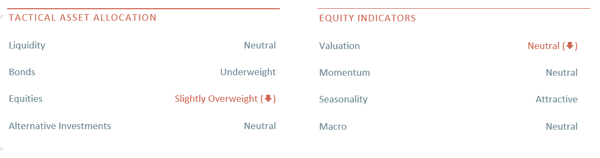
Equity markets have rallied roughly 10% since January and fully recovered the losses from December. Fears of an imminent recession have faded, and stock valuations are around the long-term average. We stick to our credo: quality matters. The quality factor aims to reflect the performance of companies with durable business models and sustainable competitive advantages. High return on equity, stable earning and low financial leverage are keys to success. In especially being in a late stage of business cycle.
In credit, following the rally year-to-date spreads in most regions have tightened to fair or slightly expensive levels. Corporate leverage is a tick more elevated in the US than in Europe, but we do not see significant defaults risks for this year. High yield spreads are expecting to widen for the coming months, but total returns should remain positive. The FED paused hiking short-term rates, and FOMC meeting minutes indicate its tightening by year-end. While policy suggests lower interest rates, stocks have rallied. Most analysts assess the latest move by the FED as a regime shift. Only time will tell but we remain underweight in bonds and continue to prefer shorter-duration maturities.
EUR/USD was range-traded for a few weeks and we do not expect major outbreaks from 1.1250 – 1.1450 levels the coming weeks. The highlight in FX market will be soon Brexit: expect the unexpected. Gold benefited from the US treasury yields decline and dovish stance from the FED. However, for the time being we do not see any large clouds on the horizon, hence the upside potential is rather limited. Crude oil back on track and remains supportive due to production cuts and OEPC’s supply declines from Venezuela and Iran.
There was no game changer: the end of the US government shutdown had only limited macroeconomic impact. European political risk continues to focus on the Brexit process where a dead-line extension is likely. We would even not be surprised if the UK leaders are working towards a second referendum. US tariffs have not impacted the overall volume of trade so far and Trump’s announcement this week about a possible trade deal breakthrough with China has given investors some hope which would favour riskier assets. The longer tariffs are in place and the larger the number of goods apply to, the more likely they will be passed onto US consumers. And here is where the central banks step into the game – not for the first and last time.
The FED has signaled a pause in raising rates. It will rather act data-dependent and become dovish. Eventually it will include the pace of the reversal of Quantitative Easing. President Draghi on the other side ended the phase of bond-buying and we do not see the ECB hiking rates until late this year. So, what does it say in general? When the roof is on fire they are here for backing up. We have seen that many times since the financial crisis that central banks acting more as a lender of last resort. The markets like the ease financial conditions but can react instantaneous and counterintuitive. Subsequently, investors should remain cautiously.
Equity markets have rallied roughly 10% since January and fully recovered the losses from December. Fears of an imminent recession have faded, and stock valuations are around the long-term average. We stick to our credo: quality matters. The quality factor aims to reflect the performance of companies with durable business models and sustainable competitive advantages. High return on equity, stable earning and low financial leverage are keys to success. In especially being in a late stage of business cycle.
In credit, following the rally year-to-date spreads in most regions have tightened to fair or slightly expensive levels. Corporate leverage is a tick more elevated in the US than in Europe, but we do not see significant defaults risks for this year. High yield spreads are expecting to widen for the coming months, but total returns should remain positive. The FED paused hiking short-term rates, and FOMC meeting minutes indicate its tightening by year-end. While policy suggests lower interest rates, stocks have rallied. Most analysts assess the latest move by the FED as a regime shift. Only time will tell but we remain underweight in bonds and continue to prefer shorter-duration maturities.
EUR/USD was range-traded for a few weeks and we do not expect major outbreaks from 1.1250 – 1.1450 levels the coming weeks. The highlight in FX market will be soon Brexit: expect the unexpected. Gold benefited from the US treasury yields decline and dovish stance from the FED. However, for the time being we do not see any large clouds on the horizon, hence the upside potential is rather limited. Crude oil back on track and remains supportive due to production cuts and OEPC’s supply declines from Venezuela and Iran.
